Get Residential Siding Installation
Residential siding installation services help property owners upgrade or replace worn, damaged, or outdated siding on homes, covering projects like new siding, repairs, and material upgrades.
If you’re considering residential siding installation, you’re in the right place to explore your options. Property owners in the area often look into siding updates to enhance curb appeal, improve energy efficiency, or protect their homes from the elements. Planning a project like this involves comparing local contractors who specialize in siding work, ensuring you find experienced service providers who can meet your specific needs.
Continuing with your research can help you identify the best local contractors for your siding project. Whether you’re updating an older home or completing a new build, understanding the available options and connecting with trusted service providers can make the process smoother. Keep reading to discover how local experts can assist with your residential siding installation needs.
- Homeowners updating their exterior - when replacing or upgrading existing siding to improve curb appeal or property value.
- New property owners - when installing siding on a newly built residence for a durable and attractive exterior.
- Homes experiencing weather-related damage - when repairs or siding replacements are needed after storms or harsh conditions.
- Properties with outdated or deteriorating siding - when old siding shows signs of wear, warping, or fading requiring replacement.
- Renovation projects - when upgrading the exterior finishes to enhance energy efficiency or modernize the home's appearance.
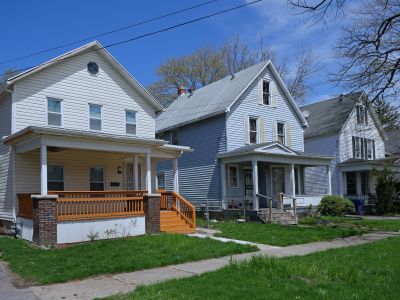
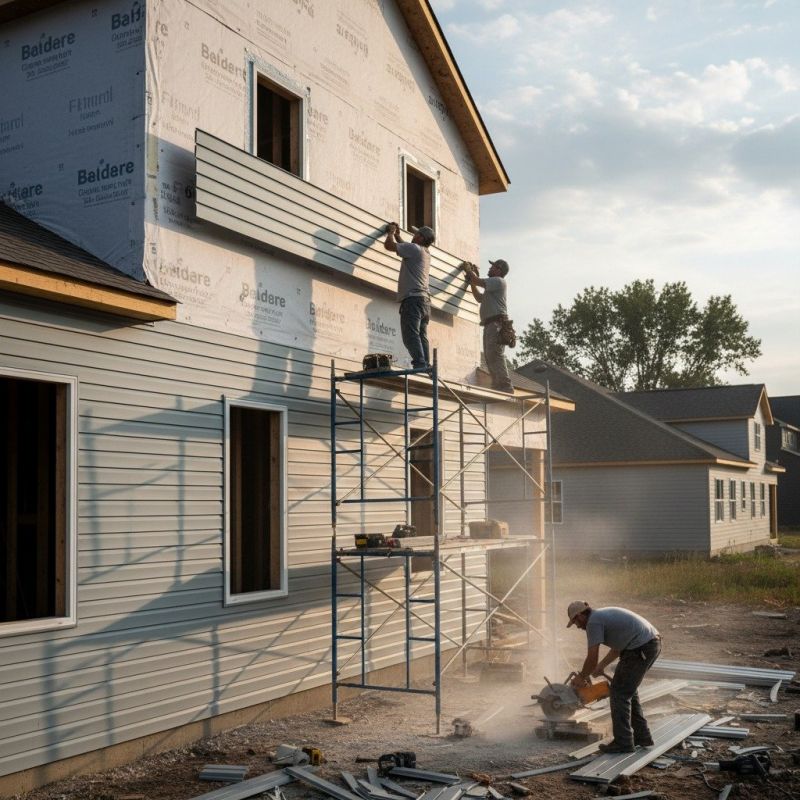
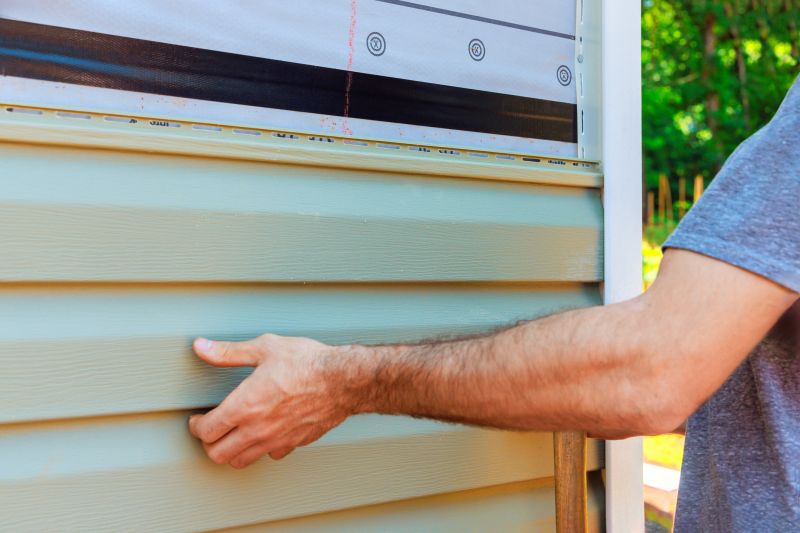
Residential siding installation services involve attaching new siding material to the exterior walls of a home. This process typically includes removing old or damaged siding, preparing the surface, and carefully installing the chosen material to ensure a durable and attractive finish. Professionals handle all aspects of the installation to help improve the home's appearance, enhance its protection against weather elements, and increase overall curb appeal. Homeowners seeking a fresh look or those whose current siding is outdated or deteriorating may find this service to be an essential step in maintaining or upgrading their property.
Siding installation can address a variety of common problems that affect homes. For example, damaged or rotting siding can compromise the building’s insulation and lead to higher energy bills. Cracks, warping, or loose panels can also allow moisture to penetrate, which may result in mold or structural issues over time. Additionally, worn or faded siding can negatively impact the home's visual appeal. By replacing or upgrading siding, property owners can resolve these issues, creating a more secure and visually appealing exterior that withstands the elements better.
This service is often utilized on residential properties such as single-family homes, townhouses, and multi-family buildings. Homes in older neighborhoods with outdated siding are prime candidates for renovation, especially when the existing material no longer provides adequate protection or looks worn. Newer properties may also benefit from siding upgrades to improve energy efficiency or to achieve a specific aesthetic. In many cases, homeowners choose siding installation during renovation projects or when making improvements to increase the property's value and appeal.
Local contractors offering siding installation services can work with a variety of materials to match different styles and budgets. Common options include vinyl, fiber cement, wood, and composite siding, each offering distinct advantages. Homeowners should consider their property's specific needs, local climate, and personal preferences when selecting siding material. Professional installation ensures the siding is properly fitted and sealed, which is essential for maximizing durability and performance. Contacting experienced service providers can help determine the best siding options for a home and ensure a high-quality, lasting result.
The overview below groups typical Residential Siding Installation projects into broad ranges so you can see how smaller, mid-sized, and larger jobs often compare in your area.
In many markets, a large share of routine jobs stays in the lower and middle ranges, while only a smaller percentage of projects moves into the highest bands when the work is more complex or site conditions are harder than average.
Smaller Repairs - Minor siding repairs or replacements typically cost between $250 and $600 for many smaller jobs. Most routine repairs fall within this range, depending on the extent of damage and material used.
Partial Siding Replacement - Replacing sections of siding or upgrading specific areas usually ranges from $1,000 to $3,500. Larger projects that involve multiple sections or materials can push costs higher but are less common.
Full Siding Replacement - Complete siding installation for an average-sized home generally falls between $5,000 and $15,000. Larger or more complex projects can reach $20,000+, though many projects stay within the middle of this range.
High-End or Custom Projects - Custom materials or intricate designs can increase costs significantly, often exceeding $20,000. Such projects are less frequent and depend heavily on the scope and materials chosen by local contractors.
Actual totals will depend on details like access to the work area, the scope of the project, and the materials selected, so use these as general starting points rather than exact figures.
Exterior Wall Cladding - Local contractors skilled in siding installation often handle exterior wall cladding projects that require similar planning, tools, and surface preparation.
Home Exterior Painting - Professionals experienced in siding work frequently provide exterior painting services, utilizing comparable surface prep and finishing techniques.
Deck and Porch Building - Building or renovating decks and porches involves carpentry skills and surface assessments similar to those used in siding installation.
Window and Door Replacement - Replacing windows and doors requires precise measurements and framing work, aligning with the skills needed for siding projects.
Facade Renovation - Renovating or updating building facades involves planning and surface treatment methods that relate closely to residential siding installation.
Insulation Installation - Installing exterior wall insulation shares techniques related to surface preparation and working with building exteriors common in siding projects.
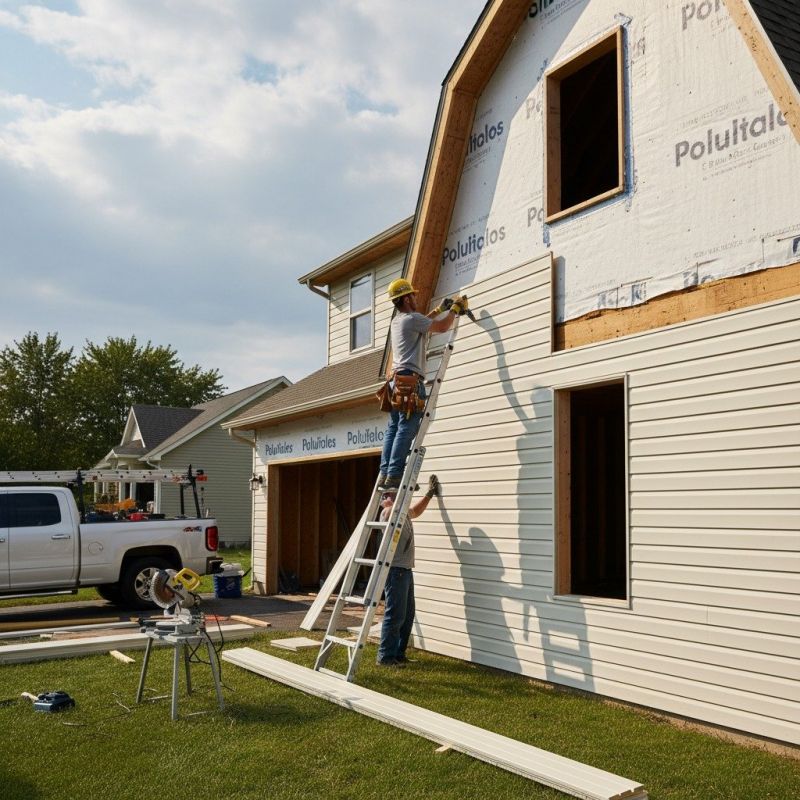
When comparing service providers for residential siding installation, it’s important to consider their experience with similar projects. Homeowners should look for local contractors who have a proven track record of handling siding installations comparable in scope and style to the desired project. An experienced professional is more likely to understand the nuances of different siding materials, installation techniques, and local building considerations, which can contribute to a successful outcome.
Clear, written expectations are essential when evaluating potential contractors. Homeowners should seek providers who can offer detailed proposals outlining the scope of work, materials to be used, and project milestones. Having this information in writing helps ensure everyone is aligned on what the project entails, reducing misunderstandings and providing a basis for comparison among different service providers.
Reputable references and effective communication are key factors in selecting a reliable contractor. Homeowners are encouraged to ask for references from past clients who had similar siding projects completed. Contacting these references can provide insights into the contractor’s professionalism, quality of work, and adherence to commitments. Additionally, choosing service providers who communicate clearly and promptly can make the process smoother, as open dialogue helps address questions or concerns throughout the project. It’s important to remember that this site introduces homeowners to local options, not that it performs the work itself.
Property owners use Residential Siding Installation services for practical projects around their homes and businesses. This guide focuses on everyday jobs and straightforward project options.
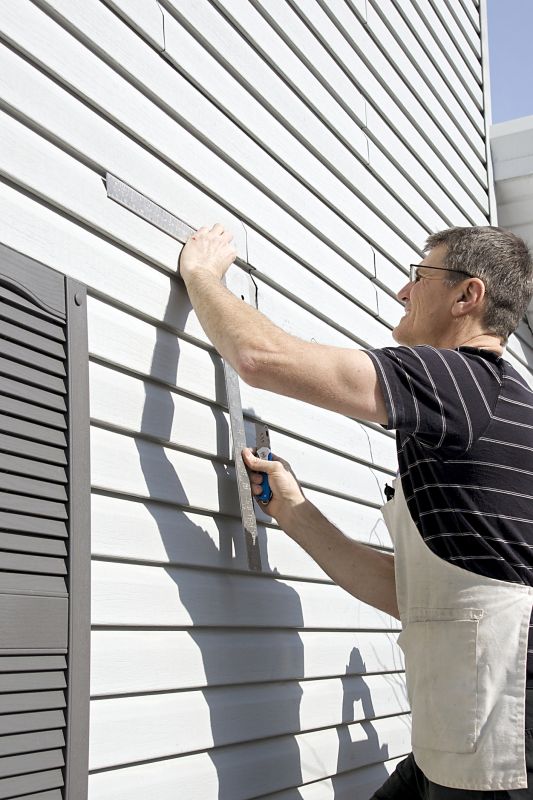
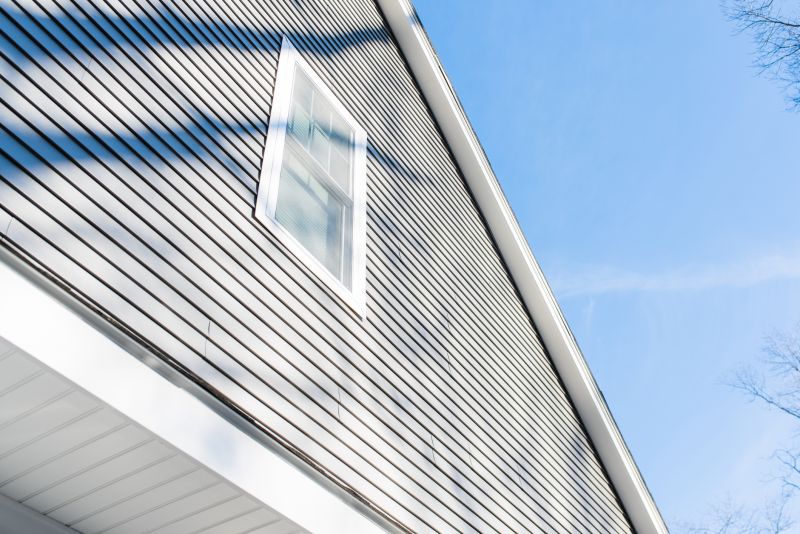
Residential siding installation is a common project for property owners looking to improve the appearance and durability of their homes. Local contractors often handle situations where siding has become damaged from storms, age, or general wear and tear. Additionally, many homeowners seek new siding when updating their home's style or increasing energy efficiency, making it a practical choice for those wanting to refresh their property's exterior.
Property owners in the area may also look for siding installation services when preparing a home for sale or addressing issues like mold, rot, or insect damage. Whether replacing outdated materials or upgrading to more modern options, local service providers can assist with a variety of siding needs to help maintain or enhance a home's value and curb appeal.
What types of siding materials do local contractors install? Local service providers typically install a variety of siding materials, including vinyl, fiber cement, wood, and metal options, to suit different preferences and home styles.
Can residential siding be customized to match existing exteriors? Yes, many local contractors offer customization options to help homeowners select siding colors, textures, and styles that complement their home's exterior.
What preparations are needed before siding installation? Preparation usually involves clearing the work area, inspecting the existing siding for damage, and ensuring the home’s exterior is ready for installation by the service provider.
Are there different siding options suitable for various climates? Yes, local contractors can recommend siding materials designed to withstand specific climate conditions, such as moisture-resistant options for humid areas or durable materials for colder regions.
How do local service providers ensure proper siding installation? They follow industry best practices, use quality materials, and perform thorough installation techniques to ensure the siding is properly secured and weather-resistant.
Enhancing Curb Appeal - Property owners can update their home's exterior with new siding to improve its visual appeal and make a positive first impression.
Increasing Energy Efficiency - Installing new siding can help improve insulation, leading to better energy management throughout the seasons.
Repairing or Replacing Damaged Siding - Homeowners can restore the integrity of their property by having damaged or outdated siding replaced by experienced local contractors.
Preparing for Resale - Upgrading siding can boost a home's value and attract potential buyers by giving the exterior a fresh, well-maintained look.
If you are thinking about Residential Siding Installation for a property, this guide is meant to help you understand the work, the typical project types, and how different options might fit your plans.
When you are ready, you can use the quote form on this page to share a few details about your project. From there, local pros can review the basics and respond with options that match what you have in mind.